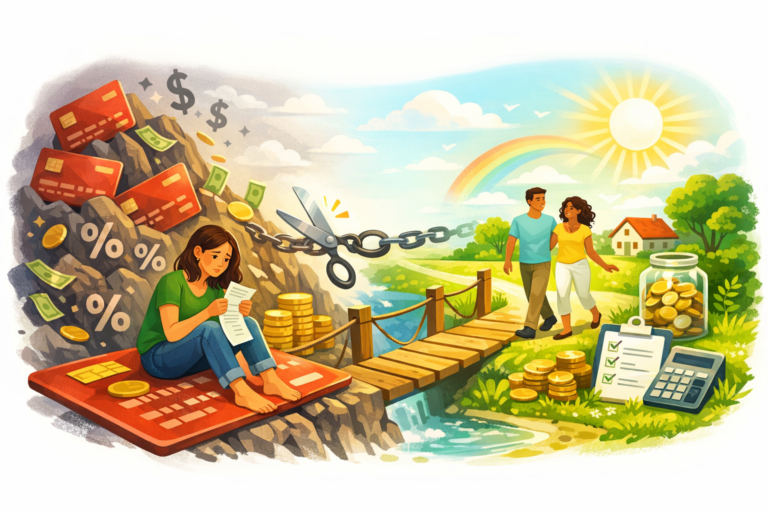
Saving money and getting debt under control both come down to the same skill: making better decisions repeatedly. When you search strategically, you stop overpaying. When you manage your spending and credit intelligently, you stop feeding the debt cycle. Used together, these habits create breathing room—and that matters more than finding a “perfect” shortcut.
1. Use search engines like a deal tool, not a starting line
If you buy something regularly online—like contact lenses—you don’t need to assume the first price you see is the real one. Many online shopping trips begin with generic search terms that mainly surface manufacturer pages and major retailers. Those can be fine, but they often aren’t where the biggest savings hide.
Instead, adjust your search so it pulls in comparison sites. Queries like “contact lens comparison price” or “comparison shopping contact lens” are more likely to surface pages that display pricing from multiple vendors. The result is a wider view of what different sellers charge, without you chasing each store one by one.
2. Compare the exact product across multiple sources
Once you land on a comparison site, don’t stop at the first number. Identify the exact lens you wear and record the price shown, along with the comparison site you found it on.
Then repeat the process on at least one other comparison site. Pricing doesn’t always update on the same schedule—some pages refresh quickly, while others update daily or weekly. Comparing across different sources helps you spot differences that are real rather than accidental.
Watch for a common trap: misleading “deals” that change the quantity you’re actually getting. If the price looks drastically lower than what you usually pay per box, check what the listing means by “box.” Sometimes a low price reflects a smaller package (for example, a sample pack with only a few lenses) rather than the usual count.
3. Confirm the deal where the sale actually happens
Many comparison sites don’t sell the product directly—they redirect you to the retailer or another seller that completes the purchase. After you’ve found the correct lens at a few comparison sites, click through to the store that’s actually selling it and verify the price and terms there.
Also keep your mind open: the best deal sometimes ends up being on a retailer’s or manufacturer’s own site, even if the comparison pages point you elsewhere. That’s why confirmation matters. Comparison pricing can be helpful, but the final details are determined at checkout.
4. Check with the manufacturer for direct pricing and offers
Some lens manufacturers don’t sell directly to consumers, but others do. If a manufacturer sells online, their pricing can be competitive—sometimes even better than what you see on comparison pages.
And manufacturers may try to bring you over to their specific brand. That can show up as a coupon or a free sample designed to lower your first purchase cost. Not every brand offers anything, but it doesn’t cost you much to ask when the option exists.
5. Reduce debt by changing how you pay
Pricing smarter helps your cash flow. Paying down debt effectively protects it. If you’re trying to reduce what you owe, the foundation is practical: spend in a way that doesn’t grow balances faster than you can reduce them.
One approach is to pay with cash only when possible. If you rely on credit cards, balances can build without you noticing—and as interest accrues, it becomes easier to fall behind on payments. Using cash means you buy only what you can afford right now, which may involve tightening spending. That trade-off can prevent more serious financial trouble later.
6. Lower interest costs so payments hit principal
If you already carry debt, focus on the interest load. High-interest credit cards are often a problem because payments may barely cover interest each month. When that’s happening, you’re not making meaningful progress toward the principal.
A practical step is to remove or reduce high-interest cards from your lineup. If you still need access to a card for emergencies, look for a lower-interest option so interest costs stay down. The core idea is simple: more of your monthly payment should go toward reducing what you borrowed, not just servicing the interest.
7. Don’t avoid lenders—contact them early
Fear can make it tempting to dodge creditors or bill collectors, but avoidance usually makes things worse. Instead, communicate. If you’re struggling, let lenders know you’re working to pay while facing difficulty.
They may be willing to offer relief—such as lowering your interest rate or allowing you to skip a payment. Lenders tend to respond better when it’s clear you’re taking steps to pay rather than disappearing. Initiating the conversation can turn an unmanageable situation into one with clearer next steps.
8. Build a budget that includes debt payments
Debt reduction isn’t only about sacrifice; it’s also about structure. Create a reasonable monthly budget and stick to it. The goal is to live within your means so you don’t spend more than you earn.
Make sure the budget includes your bill payments. If you have extra money after covering essentials, put more toward high-interest loans or credit cards. If you share finances with a family, involve everyone. Cutting expenses is easier when the household works together—whether that means trimming entertainment or tightening grocery spending.
The long game is the point: debt comes down over time when you consistently spend within your limits, reduce high-interest costs, and direct available money toward paying off what you owe.
9. Turn small savings into momentum
You don’t need a single dramatic move to improve your financial situation. Strategic comparison shopping can reduce unnecessary spending on regular purchases. Cash-first habits, lower-interest debt management, early communication with lenders, and a budget that prioritizes repayments can shrink your balances.
When you combine both—paying smarter for what you buy and paying down what you owe—you create momentum that’s easier to sustain, month after month.